Overview
Our Vascular & Vein Interventions service offers advanced, minimally invasive treatments for a wide range of vein and vascular conditions. Using ultrasound and image-guided techniques, we accurately diagnose and treat issues such as varicose veins, chronic venous insufficiency, deep vein problems, and vascular blockages.
These procedures are designed to improve circulation, reduce pain and swelling, and enhance overall comfort and mobility. With minimal downtime and no need for traditional surgery, our modern vascular treatments help patients regain confidence, restore function, and improve their quality of life safely and effectively.
Advantages
- Minimally Invasive Solutions: Procedures like varicocele embolization, PAE, uterine artery embolization, and lymphatic interventions use small catheters and imaging guidance, avoiding open surgery.
- Targeted Treatment for Specific Conditions: Each procedure directly addresses the underlying problem—swollen veins, blocked arteries, fibroids, or lymphatic leaks—for precise symptom relief.
- Rapid Recovery and Short Hospital Stay: Most treatments are outpatient or require only 1–3 days in the hospital, allowing patients to return to daily life quickly.
- Improved Fertility and Organ Function: Varicocele embolization supports male fertility, while uterine artery embolization preserves the uterus and ovarian function.
- High Success Rates: Technical and clinical success rates are high—varicocele embolization nearly 100%, lymphatic interventions 80–90%, PAE 80–85%, and UAE comparable to myomectomy outcomes.
- Symptom Relief Across Multiple Conditions: These treatments relieve pain, heavy bleeding, urinary issues, lymphedema, and life-threatening bleeding (e.g., via BAE). FAQs
Treatments
Varicose Veins Treatment
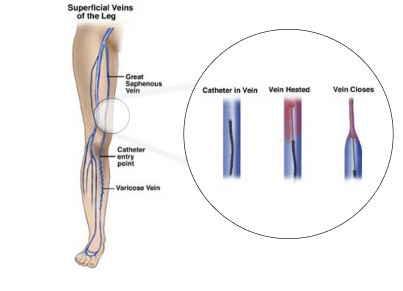
Varicose veins is a condition that impacts a significant number of individuals, causing physical discomfort and aesthetic concerns.
In recent years, interventional radiologists have become more common in the treatment of this condition, offering minimally invasive procedures that can reduce the impact on the patient’s body. The most common of these treatments include Endovenous Laser Treatment (EVLT), Radiofrequency Ablation (RFA) and Sclerotherapy.
This article will explore the various aspects of interventional radiology in varicose vein treatment, addressing issues and questions that someone might have in how an interventional radiologist might be the best option for them in the treatment of venous diseases.
What are Varicose Veins?
Varicose veins occur when the valves in the veins malfunction, causing blood to pool and veins to enlarge.
Interventional radiology procedures have become increasingly popular for their effectiveness in treating varicose veins utilising minimally invasive techniques that reduce the impact on the patient’s body and can allow for a quicker recovery process.
Your doctor may refer you to an interventional radiologist to help with treating your varicose veins because you are experiencing:
- Veins that are dark purple, blue or the same colour as the skin.
- Veins that look twisted and bulging.
- An achy or heavy feeling in the legs.
- Burning, throbbing, muscle cramping and swelling in the lower legs.
- Worse pain after sitting or standing for a long time.
- Itching around one or more of the veins.
- Changes in skin colour around a varicose vein.
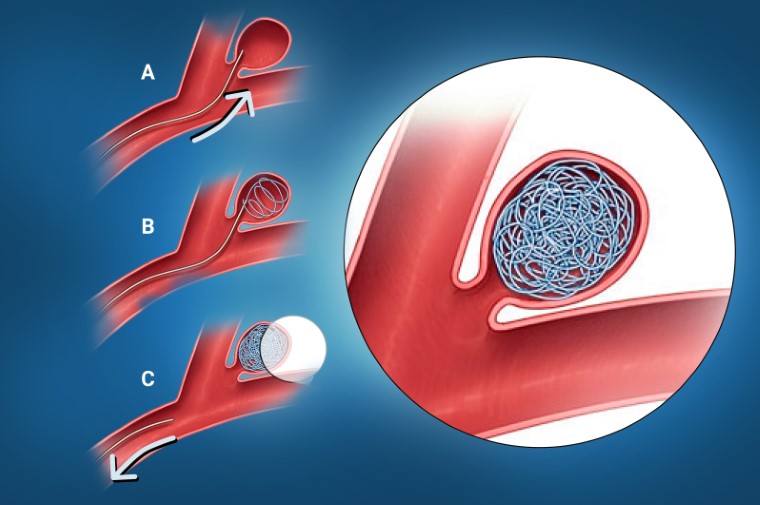
Embolisation for Mesenteric Artery Aneurysm

A mesenteric artery aneurysm is a condition where a section of the artery that supplies blood to your intestines weakens and bulges. These aneurysms in the aortic wall are relatively rare but can pose significant health risks if left untreated. The most serious complication is a rupture, which can lead to severe abdominal pain and life-threatening internal bleeding. Although many individuals with mesenteric artery aneurysms may not exhibit symptoms, the risk of rupture necessitates careful monitoring and, in some cases, proactive treatment such as embolisation for mesenteric artery aneurysms, which is assisted by interventional radiology.
Embolisation is a minimally invasive interventional radiology medical procedure used to treat mesenteric artery aneurysms. The procedure involves inserting tiny, soft coils or particles into the affected artery to block blood flow to the aneurysm. This technique effectively reduces the pressure on the aneurysm, causing it to shrink over time. The ultimate goal of embolisation is to prevent a burst aneurysm, thereby reducing the risk of severe complications.
Lower Limb Angioplasty And Stenting

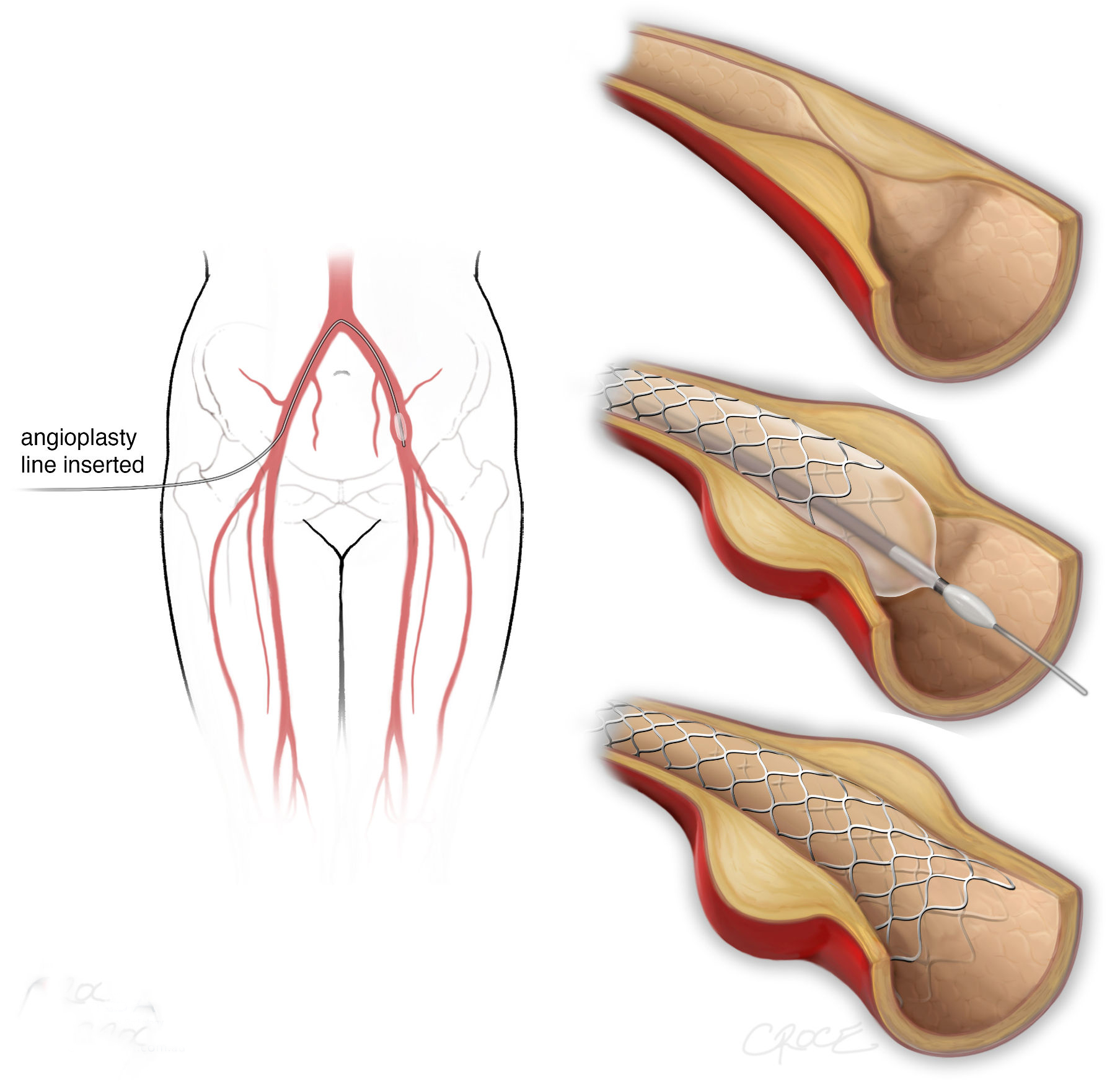
Angioplasty is a procedure to open narrowed or blocked blood arteries that supply blood to your legs. A stent is a small, metal mesh tube that keeps the artery permanently open.
You will be referred for angioplasty and stent insertion to treat narrowing in an artery.
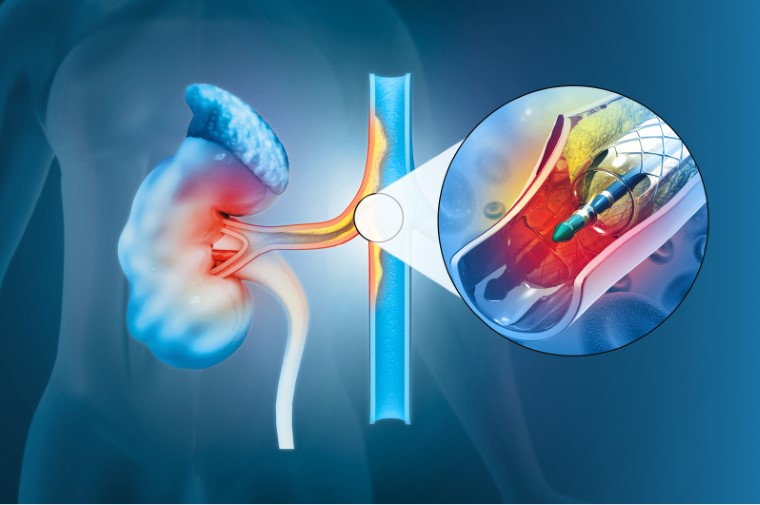
Renal Artery Stenosis Treatment

Renal arteries deliver oxygen-rich blood to your kidneys, which filter waste products from your blood.
Renal artery stenosis is a narrowing of one or more of these arteries restricting blood flow to your kidneys. This can lead to:
- High blood pressure (hypertension) that’s difficult to control with medication
- Decreased kidney function
- Kidney failure in severe cases
Renal artery stenosis can develop due to a variety of causes. The most common is atherosclerosis (development of cholesterol/calcium rich plaque in the wall).This is most commonly associated with conditions like diabetes, high blood cholesterol. Other less common causes include fibromuscular dysplasia (disease of the blood vessel wall), prior trauma etc.
Your doctor might recommend renal artery angioplasty and stenting if you have:
- Uncontrolled high blood pressure despite medication
- Signs of declining kidney function are indicated by blood or urine tests
Carotid Stenting

Carotid stenting encompasses a spectrum of advanced medical procedures designed to address conditions affecting the blood vessels that are supplying the brain or neck region.
Interventional radiologists, using minimally invasive techniques guided by imaging technologies, can diagnose and treat these conditions that are affecting these blood vessels. These stenting interventions are primarily targeting arterial issues such as blockages, malformations, or weaknesses, and are critical in managing diverse conditions.
Carotid conditions refer to medical issues or abnormalities related to the carotid arteries, which are the major blood vessels located on each side of the neck. These two main carotid arteries are the common carotid arteries, which divide into the internal and external carotid arteries.
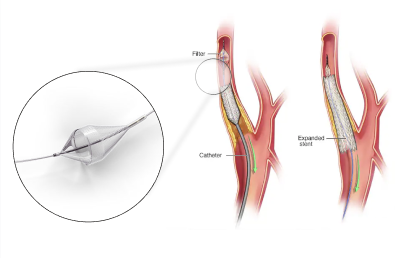
Interventional radiologists can perform carotid artery angioplasty and stenting to open narrowed or blocked carotid arteries to improve blood flow to the brain, reducing the risk of stroke.
In advance and during these carotid stenting procedures, interventional radiologists will work closely with a patient’s general practitioner, neurosurgeons, vascular surgeons, and neurologists to ensure that a holistic approach is taken in achieving the best patient outcome.
If your doctor suspects you have narrowing of the carotid artery from your history, symptoms and examination, you will be sent for a test to confirm whether narrowing of the artery exists. If significant narrowing is identified, you might be referred for carotid stenting to reduce the likelihood of a stroke, which is caused by a reduction of the blood supply to the brain.
Your doctor would choose carotid stenting as an alternative to surgery based on your medical condition and the reduced chance of complications.
Vascular Malformation embolization and Electrosclerotherapy

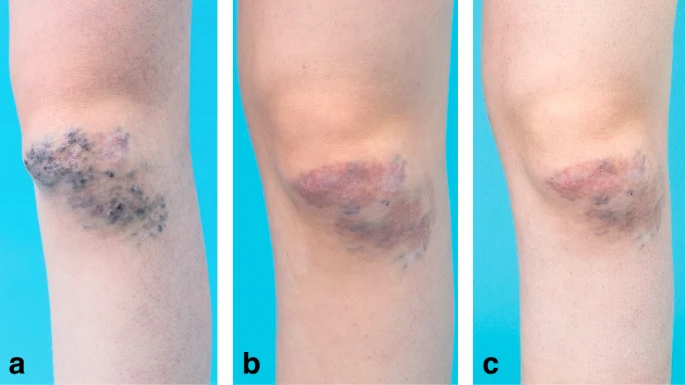
Vascular malformation embolization is a minimally invasive, image-guided procedure used to treat abnormal clusters of blood vessels- whether venous, arterial, or mixed-that can cause pain, swelling, bleeding, or cosmetic concerns. During the procedure, an interventional radiologist inserts a small catheter into the problematic vessels and delivers embolic materials such as coils, glue, or specialized agents to block or reduce blood flow to the malformation. This helps shrink the lesion, relieve symptoms, and prevent future complications.
Vascular malformations can occur anywhere in the body and often persist or worsen over time if not treated. When conservative treatments are ineffective or the malformation begins to impact daily life, your doctor may refer you to an interventional radiologist for embolization. As a targeted, non-surgical therapy with minimal recovery time, embolization offers an effective and safe alternative to open surgery, improving both function and appearance with far less discomfort.
Electrosclerotherapy is a specialized treatment combining traditional sclerotherapy with electrical energy to safely and effectively treat venous and lymphatic malformations. In this procedure, a sclerosing agent is injected directly into the abnormal vessels while controlled electrical stimulation enhances the agent’s penetration and effectiveness. This dual approach promotes vessel closure, reduces malformation size, and improves both symptoms and cosmetic appearance.
This technique is especially beneficial for complex or stubborn vascular malformations that do not respond fully to standard treatments. When swelling, pain, or visible lesions affect quality of life, electrosclerotherapy offers a minimally invasive, outpatient solution with low risk and minimal downtime. Most patients experience noticeable improvement over time, making it a modern and effective option for long-term management of vascular malformations.
FAQ
1. Are these procedures minimally invasive?
Yes. All treatments are minimally invasive, image-guided procedures performed through tiny punctures rather than open surgery. This means less pain, faster recovery, and lower risk.
2. Do these procedures require general anesthesia?
Most vascular interventions use local anesthesia and mild sedation. General anesthesia is typically unnecessary unless the case is complex.
3. How long do the procedures take?
Most treatments take between 30–120 minutes, depending on the condition and complexity.